What is Umrah & Why is it Important?

Umrah (عُمْرَة) is often called the "minor pilgrimage." It involves a set of rituals performed in and around Masjid al-Haram in Makkah — entering the state of Ihram, performing Tawaf around the Kaaba, walking Sa'i between Safa and Marwah, and cutting or trimming the hair. Unlike Hajj, Umrah is not obligatory (Fard) but is highly recommended (Sunnah Mu'akkadah) and can be performed at any time of the year.

The Prophet Muhammad ï·º said: "One Umrah to another is an expiation for the sins committed in between." This makes Umrah a deeply spiritual act of renewal, repentance and closeness to Allah, drawing millions of Muslims to Makkah every year outside the Hajj season.
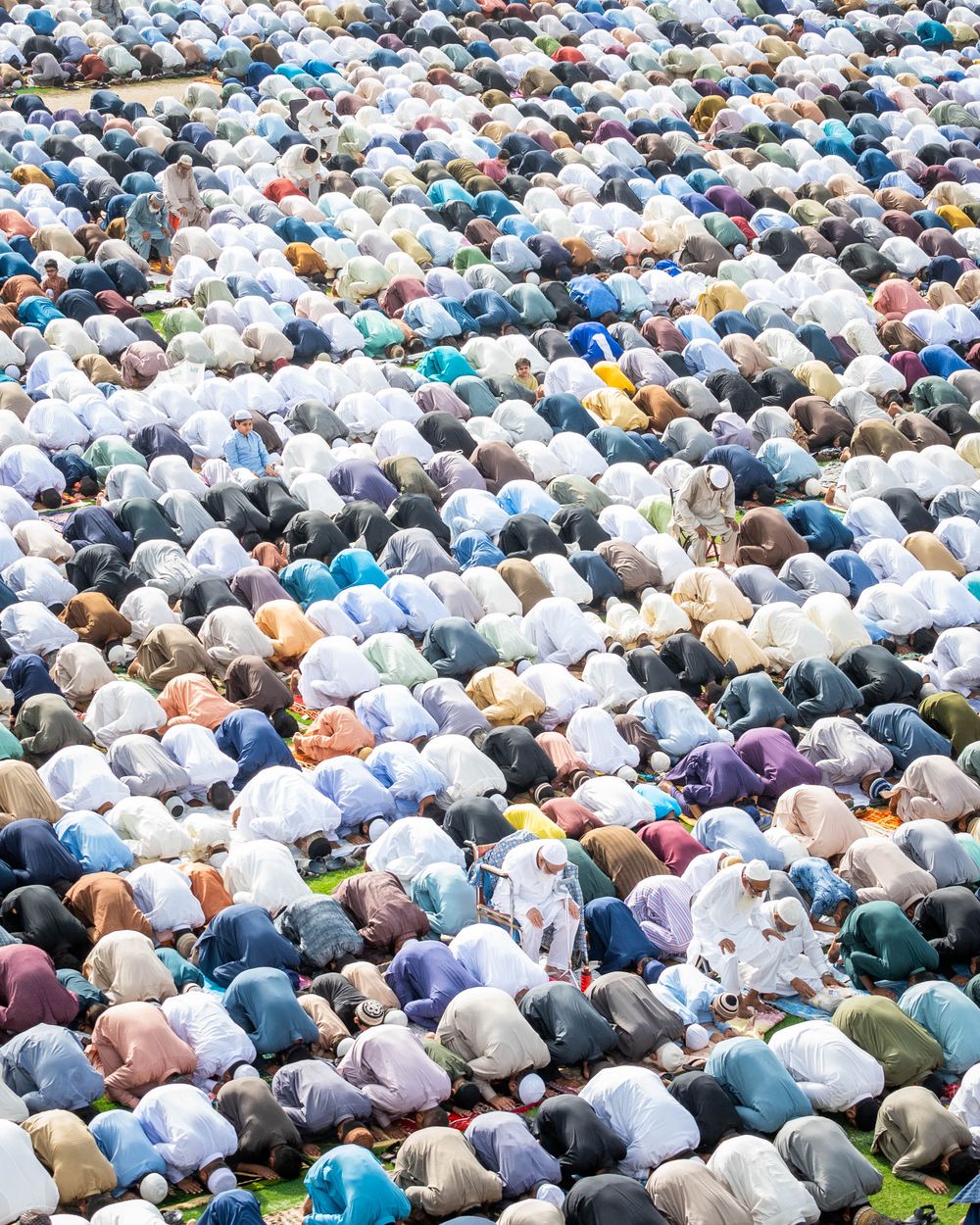
Pilgrims performing Umrah rituals

Types of Umrah

Umrah Mufrada

A standalone Umrah performed independently of Hajj, at any time of the year outside the Hajj season.

Umrah Tamattu'

Umrah performed during the Hajj months, followed by exiting Ihram before entering Ihram again for Hajj.

Umrah Qiran

Umrah combined with Hajj in a single Ihram, without exiting the Ihram state in between.

Umrah Visa & Documents

The Saudi Umrah visa is typically processed as part of your travel package. Huzaifa Aviation handles the full visa application on your behalf — you just need to provide the required documents below.

  • Original passport valid for at least 6 months
  • Recent passport-size photographs (white background)
  • CNIC copy (front & back)
  • Vaccination certificate (as per current Saudi health requirements)
  • Mahram/family details for female pilgrims travelling with family
  • Confirmed hotel & flight booking (arranged by us)
Good to Know
  • The Saudi Umrah visa is generally valid for a set duration set by Saudi authorities and may permit multi-entry, depending on current regulations at the time of travel.
  • Female pilgrims under a certain age typically require a Mahram (male guardian) or documented group travel arrangement — rules can change, so always confirm current requirements with our visa desk before booking.
  • Visa policies and required vaccinations are updated periodically by Saudi authorities. Our team verifies the latest requirements before every departure.
Full Visa Details

How to Perform Umrah

Enter Ihram at the Miqat

Before crossing the Miqat boundary, perform Ghusl (ritual bath), apply no perfume to the Ihram cloth, and men wear two unstitched white sheets. Make the intention (Niyyah) for Umrah and recite the Talbiyah: "Labbayk Allahumma Umrah."

Enter Masjid al-Haram

Enter with your right foot, reciting the Dua for entering the mosque. Proceed calmly towards the Kaaba, keeping the Talbiyah on your tongue until you begin Tawaf.

Perform Tawaf (7 Circuits)

Circle the Kaaba seven times in a counter-clockwise direction, starting and ending at the Black Stone (Hajar al-Aswad) corner. Men perform Ramal (brisk walking) in the first three circuits, if possible. Recite Dhikr and personal Dua throughout.

Pray Two Rak'ahs at Maqam Ibrahim

After Tawaf, pray two short Rak'ahs behind Maqam Ibrahim (or anywhere in the mosque if crowded), then drink Zamzam water.

Perform Sa'i Between Safa & Marwah

Walk seven times between the hills of Safa and Marwah (approx. 3.5 km total), commemorating Hajar's search for water. Men jog briefly between the green markers.

Hair Cutting (Halq or Taqsir)

Men either shave the head completely (Halq) or trim the hair (Taqsir). Women trim a small portion of hair, about a fingertip's length. This marks the completion of Umrah and exit from Ihram.

Umrah Rules & Restrictions

  • No use of perfume or scented products while in Ihram
  • Men may not wear stitched clothing, cover the head, or wear shoes covering the ankle bones
  • Women may not cover the face or wear gloves, but must dress modestly
  • No cutting of hair or nails until after completing Umrah
  • No hunting, uprooting plants, or engaging in arguments/disputes
  • Marital relations are prohibited while in the state of Ihram

Tips for a Smooth Umrah

  • Perform Tawaf and Sa'i during off-peak hours (late night/early morning) to avoid crowds
  • Stay hydrated with Zamzam water, especially in warmer months
  • Keep a small pouch for your phone, ID and money while performing Tawaf
  • Wear comfortable, non-slip sandals for the Sa'i and Haram courtyard
  • Memorize or carry a Dua booklet for Tawaf and Sa'i supplications
  • Book hotels within walking distance of the Haram to save time and energy

Umrah Packing List

Documents & Money
  • Passport, visa printout & flight tickets
  • CNIC & passport photocopies
  • Saudi Riyals (cash) & debit/credit card
  • Travel insurance documents
  • Hotel booking confirmations
Clothing
  • 2-3 sets of Ihram (men)
  • Modest, loose abayas (women)
  • Comfortable walking sandals
  • Light jacket for air-conditioned areas
  • Extra undergarments & socks
Essentials
  • Unscented soap & toiletries
  • Prayer mat & small Quran/Dua booklet
  • Personal medication & first-aid basics
  • Mobile charger, power bank & adapter
  • Small backpack for daily Haram visits
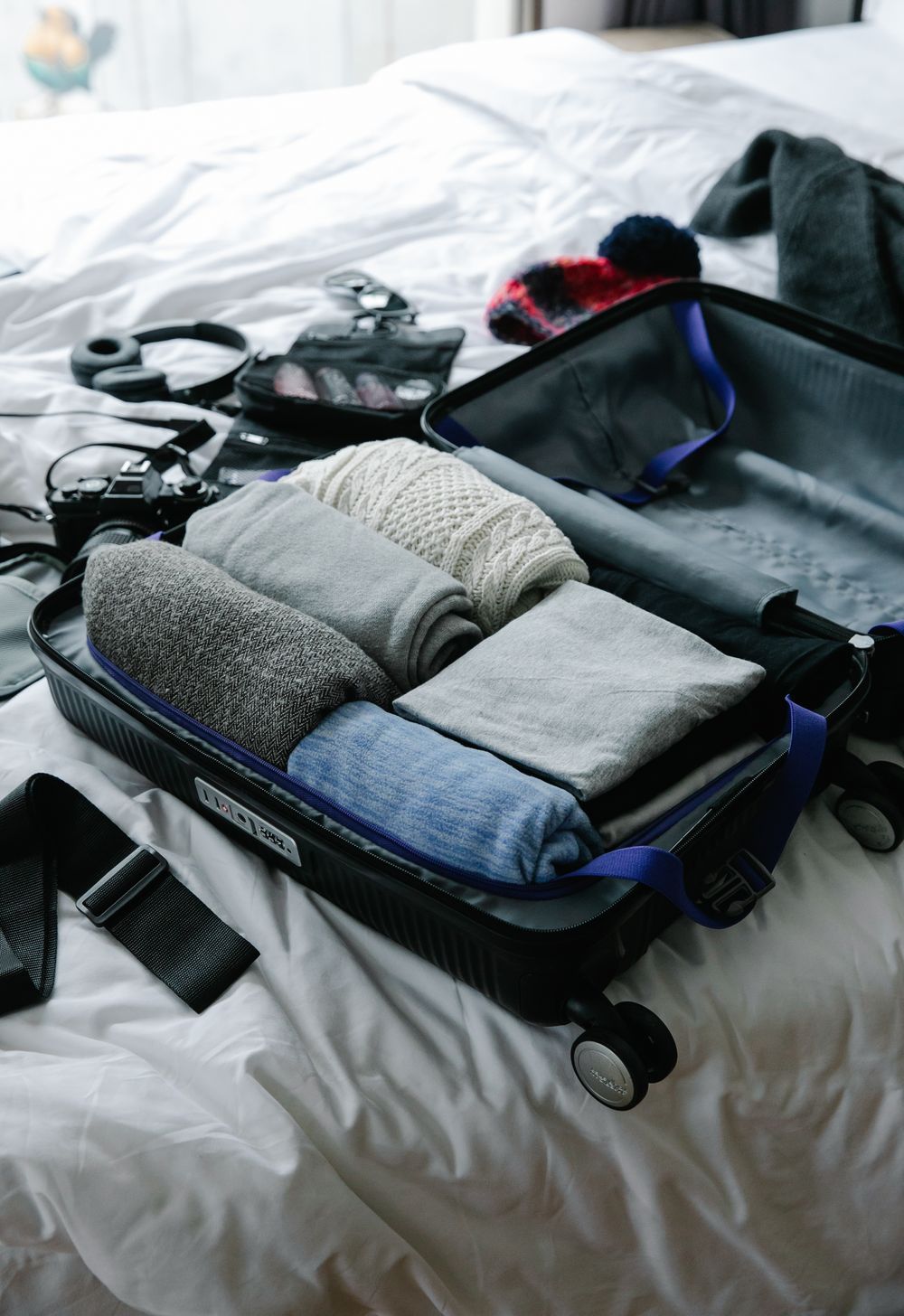
Packing suitcase for Umrah travel checklist

Umrah Travel Checklist

Book Your Umrah Package Today

Economy to VIP Umrah packages including visa, flights, hotels near the Haram, and guided Ziyarat.

Umrah Frequently Asked Questions

Umrah is a shorter, non-obligatory pilgrimage that can be performed at any time of the year, while Hajj is an obligatory pilgrimage performed during specific days of Dhul Hijjah and is one of the Five Pillars of Islam.

The rituals of Umrah itself can be completed in a few hours, but most pilgrims stay 7 to 14 days to also visit Madinah and perform Ziyarat.

Men wear two unstitched white sheets called Ihram. Women wear simple, loose, modest clothing that covers the body, without covering the face or hands.

Yes, pilgrims may perform multiple Umrahs on one trip by exiting the Haram boundary to a Miqat point (such as Masjid Aisha/Tan'im), re-entering Ihram, and repeating the rituals.

Miqat refers to the designated boundary points around Makkah where pilgrims must enter the state of Ihram before proceeding further. The specific Miqat depends on your direction of travel (e.g. Dhul Hulaifah, Juhfah, Qarn al-Manazil, Yalamlam).